 markets.futbol
Prediction markets for sports fans: a beginner's guide
A prediction market lets people trade on what happens next, such as elections, stocks, and now the next move of a live football match. If you follow the game closely, you already have the instinct these markets reward. Here's how they work, in plain sports-fan terms.
A prediction market is a place where a probability becomes a price. When lots of people trade on "will X happen?", the price settles at roughly the crowd's estimate of how likely X is. Get it right and you're rewarded; the market itself becomes a live forecast. That's why they've been used for everything from politics to product launches, and why they map so naturally onto sport.
What's the difference between prediction markets and sports betting?
They feel similar but work differently:
- Sports betting = fixed odds set by a bookmaker. You're playing against the house, and the margin is baked into the line.
- A prediction market = a price set by the crowd. You're trading with other participants on an outcome's probability, and that price moves in real time as the event unfolds.
The distinction matters: a prediction market is a forecasting tool, not a bookmaker product. There are no house-set spreads. The market discovers the number.
How do prediction markets actually make money?
Participants profit by being more right than the crowd, buying an outcome when it's underpriced relative to what actually happens. The platform typically earns a small fee or spread on activity, not by taking the other side of your position. Your edge comes from reading the event better than the market does.
Can you lose money in a prediction market?
In real-money markets, yes, if you trade an outcome that doesn't happen. That's why many people start on paper-trading (play-credit) versions to learn the mechanics risk-free. Markets.Futbol runs as paper-trading in the US until the relevant regulator (the CFTC) authorizes real-money trading, so you build the skill first, with no money on the line.
Are prediction markets legal in the US?
The landscape is evolving. Some prediction-market platforms operate under CFTC oversight, and rules continue to develop. This isn't legal or financial advice, but the practical takeaway for a fan is that play-money / paper-trading versions let you participate today while the real-money framework matures. Markets.Futbol takes exactly that posture where required by law.
How do you know if a prediction is good?
A good prediction beats the market's implied probability. If the price says an outcome is a coin flip but your read of the game says it's a clear favorite, that gap is your edge. In sport specifically, that edge comes from reading momentum, shape, and space. See how to predict where the ball goes.
What's the easiest prediction market for beginners?
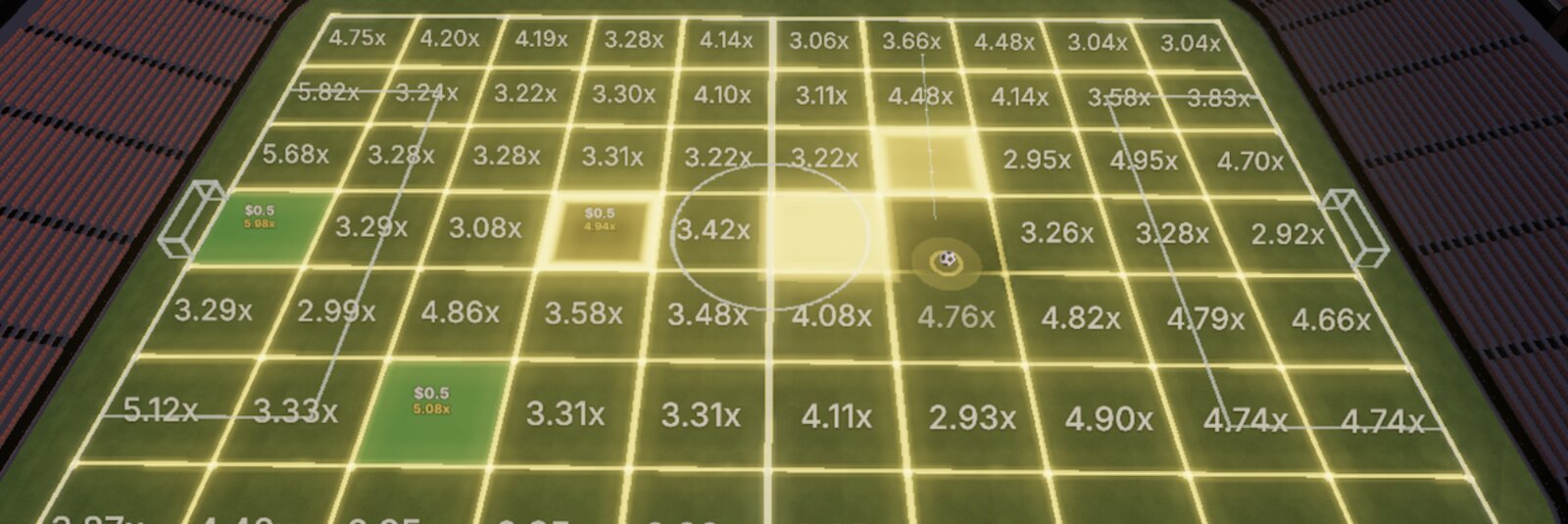
The easiest one to learn is a market on something you already understand deeply. If you watch football, a live football prediction market is the shortest path. The outcomes are visual and intuitive (where's the ball going?), they resolve in seconds, and you get instant feedback on every call. That's the idea behind Trade the Ball.
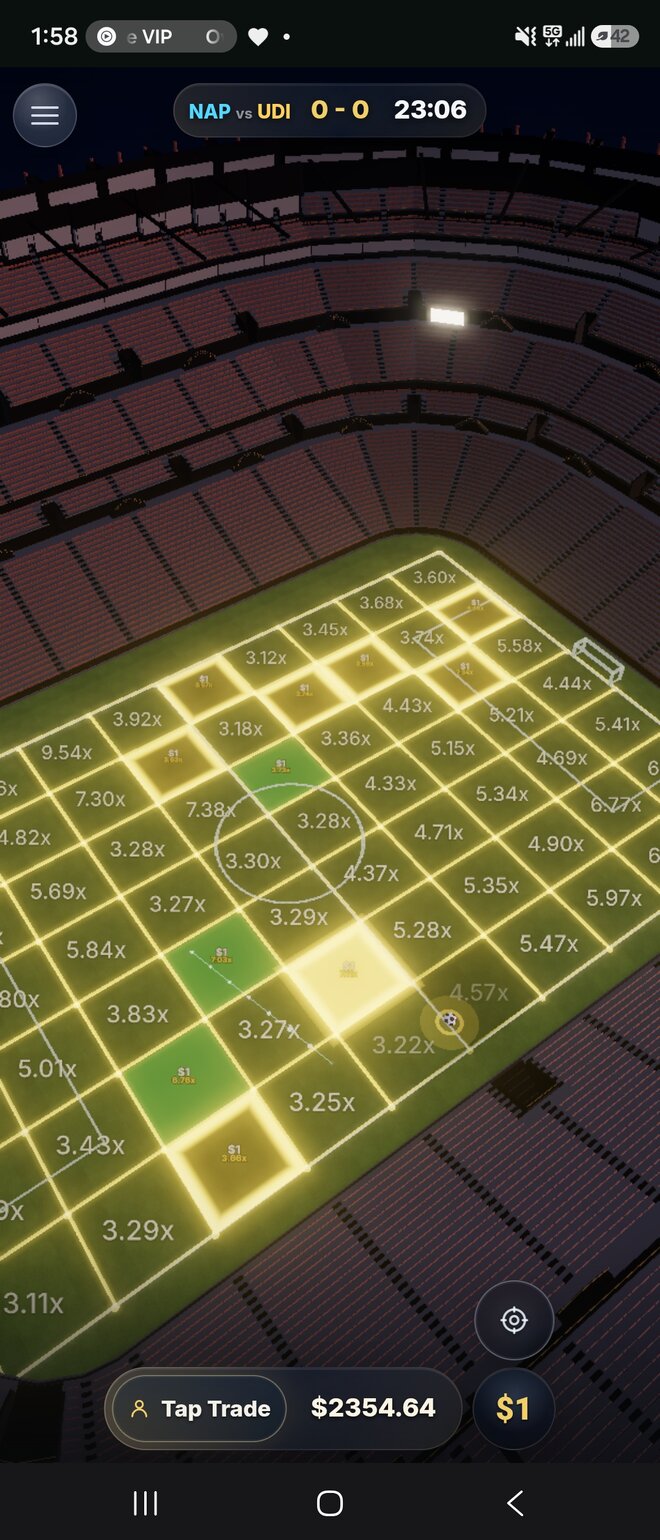
Prediction markets moved politics and stocks
We put one on the pitch. Try a live football market free with $10. Predict where the ball goes next during a live World Cup 2026 match.
Try a live football market →