 markets.futbol
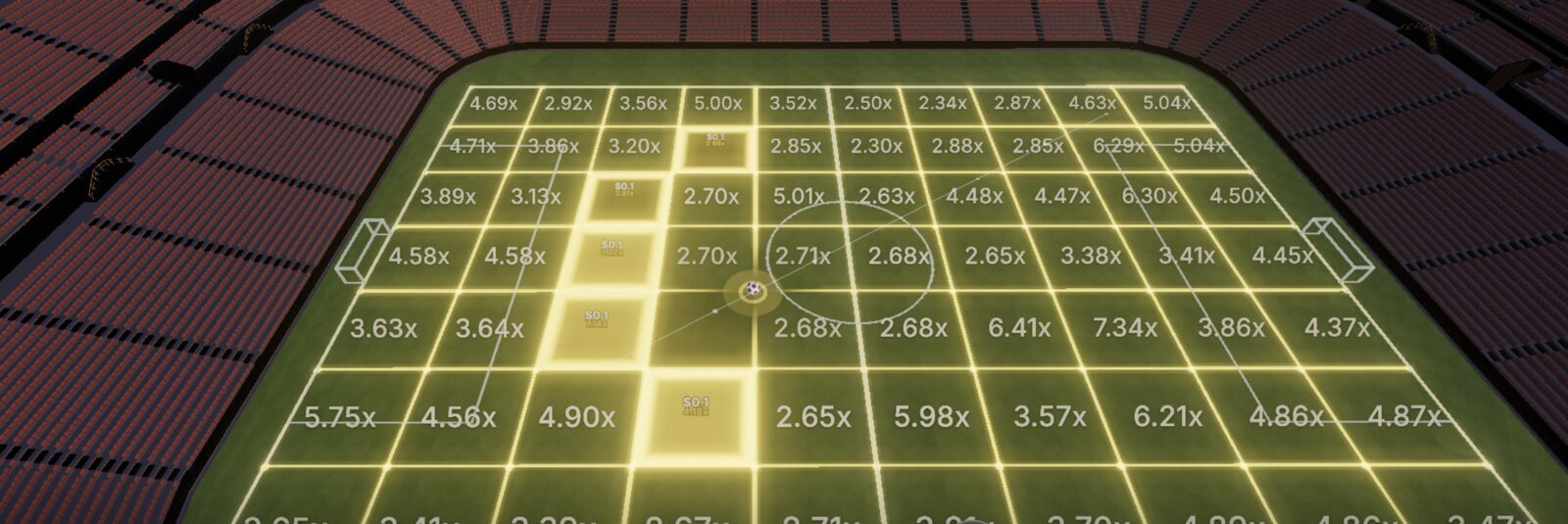
How to predict where the ball goes: football zone prediction
It's the 78th minute. The ball's at the winger's feet, full-back stepping up, striker drifting to the back post. Where does it go next? If you can feel the answer, you can trade it. Predicting the next ball movement isn't luck. It's a readable skill, and this guide breaks down how.
Is it possible to predict where a football will go next?
Yes, not with certainty, but far better than chance. Football is patterned. Players have preferred feet, teams have rehearsed shapes, and space pulls the ball like gravity. You're not predicting one exact spot; you're weighting the most likely zones and reacting fast. That's a trainable read, and it's exactly what football zone prediction rewards.
What patterns do pro players use to predict ball movement?
Watch where the play wants to go before it goes there:
- Body shape & open foot. A player's hips and planted foot telegraph the pass a beat early.
- Pressure and escape routes. Under a press, the ball goes to the free man, usually back or wide, into space.
- The switch. When one flank is crowded, the ball often gets moved to the opposite, open channel.
- Overloads. Numbers in a zone create the next pass; find the extra man and you've found the ball.
- Set patterns. Throw-ins, goal kicks, and restarts have rehearsed first moves. Learn a team's and you're ahead.
How do advanced stats help predict ball location?
The same data pros use, such as pass networks, progressive-carry zones, and xThreat/xG maps, is really a map of where the ball tends to go for a given team and player. You don't need a spreadsheet mid-match, but knowing a team funnels play down its left, or a striker checks to the near post, sharpens your live reads. It's ball movement patterns, quantified.
What's the difference between predicting passes vs. shots?
Passes are frequent, lower-variance, and pattern-driven, which makes them great for building a rhythm of reads. Shots are rarer and higher-variance but telegraphed by the build-up: an overload in the half-space, a cutback setup, a runner arriving late. Predicting passes trains your baseline; predicting shots is where the big moments (and biggest multipliers) live.
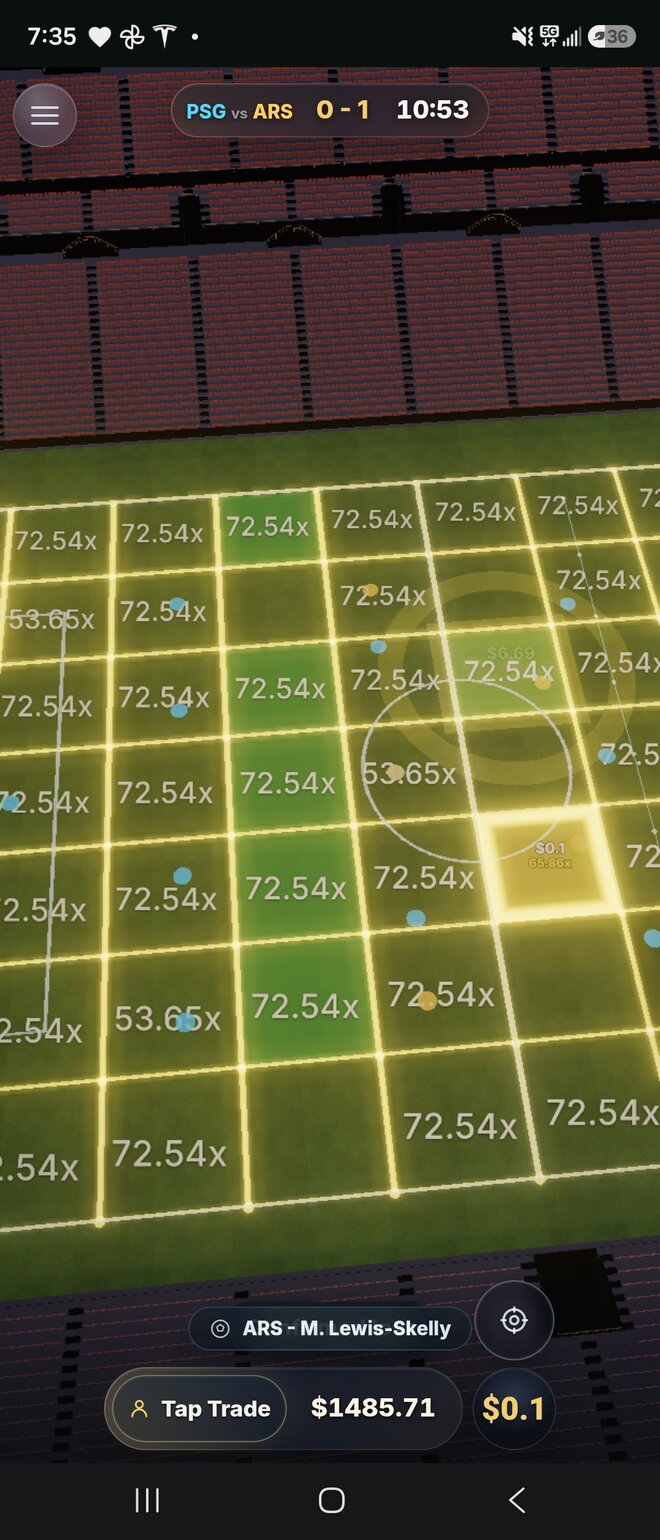
Can you train to get better at predicting ball zones?
Absolutely. Like any pattern skill, reps compound. The fastest way to improve is to make a call on every touch and get instant feedback on whether you were right. Passive watching doesn't build the muscle; active, second-by-second prediction does. That feedback loop is the whole point of a live prediction game like Trade the Ball.
What's "second-screen prediction" in football?
Second-screen means playing along on your phone while the match is on TV or stream. Instead of scrolling, you're reading the game in real time and scoring your calls, which turns a passive watch into an active one. It's the emerging way fans engage with live sport, and ball-zone prediction is a natural fit.
You just learned to read the next pass
Now do it live and win multipliers. Get $10 free to predict a live World Cup 2026 match, with no download, right in your browser.
Predict a live match free →